

In the realm of industrial minerals trading, change is the only constant. With over two decades of experience in this dynamic industry, I have witnessed its evolution firsthand and continue to help businesses adapt to the shifting landscape. In this article, I will offer insights into the current state of the industrial minerals market and its potential impact on your business.
Lithium’s Rollercoaster Ride
Since the start of 2023, the price of lithium has halved. The discovery of the McDermitt caldera on the Nevada-Oregon border, with its staggering 120 million tonnes of lithium reserves, has the potential to reshape the dynamics of lithium pricing and availability on a global scale.
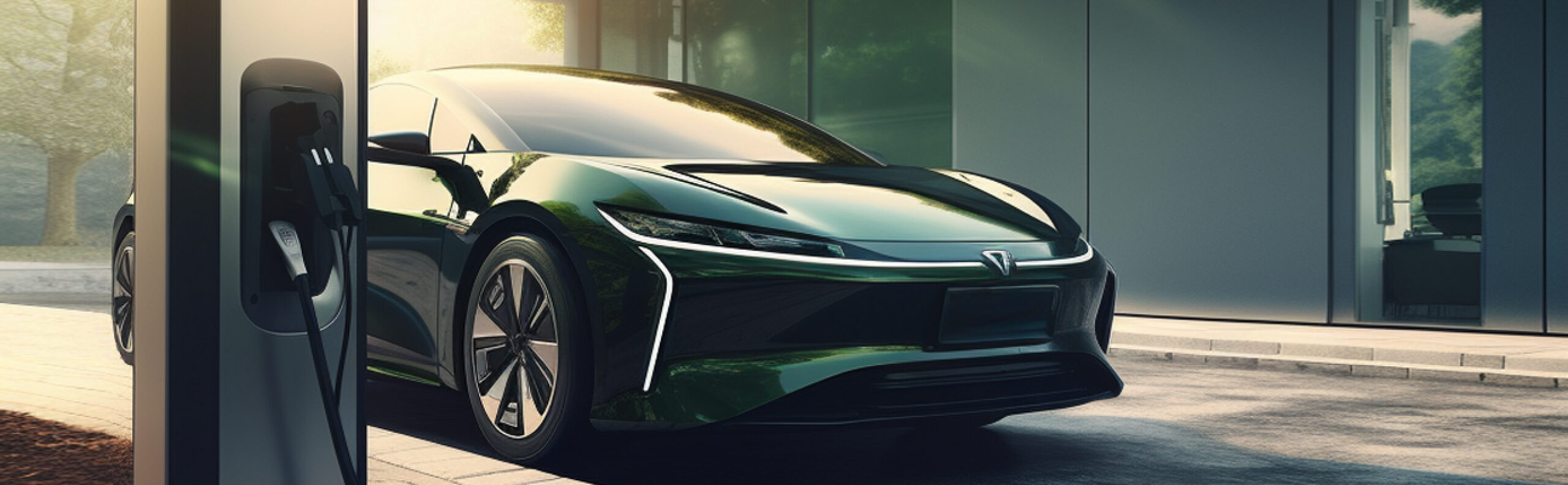
As a result, there has been a growing consensus that the electric vehicle (EV) revolution is nearing a ‘tipping point’ that promises to supercharge the transition to sustainable transportation. In August, the price of lithium-ion battery cells, which power everything from smartphones to spacecraft, dipped below the critical threshold of $100 per kWh. And that is 80% less than 10 years ago.

The Dawn of a Post-Fossil Fuel Era
Media outlets have reported that the world is standing at the “beginning of the end” of the fossil fuel era. And indeed, the International Energy Agency predicts a decrease in the consumption of major fossil fuels due to the rapid growth of renewable energy sources and the increasing adoption of electric vehicles. While this shift is undoubtedly positive for our planet, it brings its own set of challenges.
Navigating Challenges and Seizing Opportunities
The drop in prices, while beneficial for some, raises questions about the sustainability of the electric vehicle boom. Will we have enough electricity to power these vehicles, and how will the end consumer bear the consequences?

Despite recent discoveries, there are perhaps no projects that could significantly change the situation on the market before 2025. Running required studies and getting permits takes years, so there are no indicators that lithium prices will continue to decrease. From 2026 on, there is a prospect of an increase in lithium mining, but lithium availability is not the sole factor that would make people switch to EVs. The key is the overall price compared to petrol cars, and there are many factors that form it, including the cost of other materials EVs are made of. In the foreseeable future, the changes described above may not touch an average person, but the industry will be expanding only if the end price of EV significantly drops.

One more important aspect to bring up is finding efficient and cost-effective ways to recycle the batteries if we want to promote truly sustainable solutions.
Overall, the industrial minerals industry faces pressure to reduce costs while maintaining product quality. Embracing recycled materials, where feasible, can offer a strategic advantage. Consider aluminum and copper, for example. Recycled aluminum costs approximately 30% less than its natural counterpart, and recycled copper comes in at about 20% less. At the same time, companies seeking to adopt cost-effective alternatives must be prepared to adapt their processes and invest in research to maximize the effectiveness of these materials.
Closing Thoughts
As we navigate the evolving landscape of industrial minerals, it’s clear that adaptability and innovation are paramount. In the face of uncertainty, flexibility of thought and approach can change the rules of the game. Together, we can challenge the industry’s status quo, drive innovation, and achieve lasting success in this ever-changing market. For further discussions and tailored solutions, feel free to reach out. Let’s embark on this journey together.
Eugene Kondakov,
Founder & CEO at Mineral Global Trading
Sources:
Electric cars approach ‘tipping point’ as battery prices plummet
Volcano discovery could power electric cars for decades, scientists say
Electric cars approach ‘tipping point’ as battery prices plummet
Mineral commodity summaries 2023
World Copper Factbook 2023
Key findings
How EVs Will Drive Peak Oil This Decade, in Five Charts
Battery Bloat Could Backfire on Electric Vehicle Manufacturers